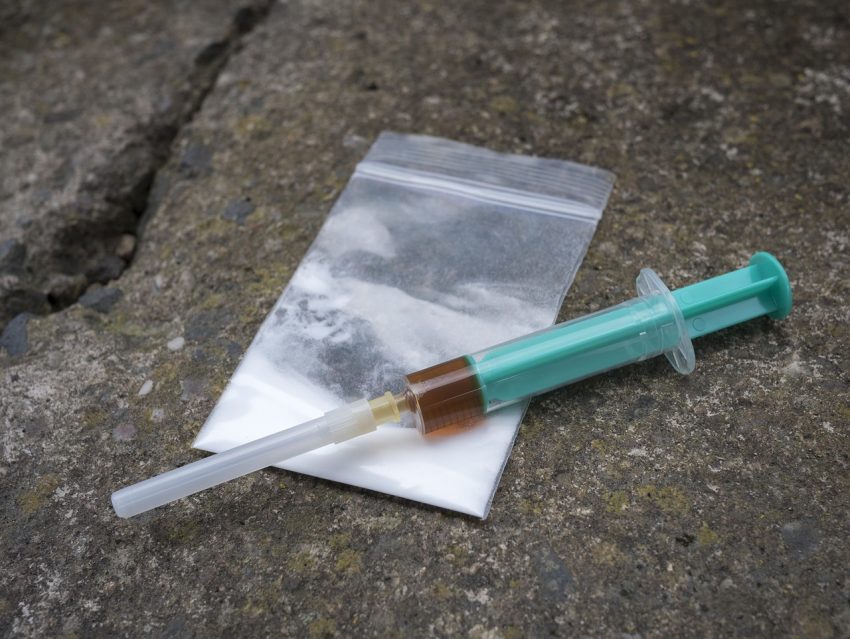
Last week I wrote that more than 100,000 Americans die every year from drug overdoses in the United States. In the 12-month period ended in September 2023, 111,380 Americans had died. As recently as 2015 the number of Americans overdosing was less than half of the recent figure.
Opioids, specifically fentanyl, are most often the cause of overdose deaths. The RAND Corporation released a study that found that 42% of American adults personally know someone who died by overdose. Furthermore, of those four-in-ten adults who know someone who died of an overdose the average number of people they know who died is two.
VOX Media published a story on opioid addiction and treatment:
Meanwhile, the number of Americans struggling with opioid addiction remains staggering. In 2022, 6.1 million people 12 and older had an opioid use disorder, according to the Substance Abuse and Mental Health Services Administration’s most recent annual survey, while 8.9 million reported misusing opioids within the past year.
VOX has some good news. The writer reports there are effective treatments that actually work.
“Most people get better,” Wakeman, who is the senior medical director for substance use disorder at Mass General Brigham, said then. “That’s what we don’t ever talk about in the opioids conversation.”
When she says “most people,” she means most people who get long-term medication-assisted treatment (MAT), widely considered the gold standard in addiction care. It combines regular counseling and behavioral therapy with the medication methadone or buprenorphine (often prescribed under the brand name Suboxone). Both contain synthetic opioid compounds, which prevent withdrawal and cravings, and they can lower overdoses by as much as 76 percent. (A third medication, less often used, is naltrexone, which blocks the high from opioids.)
Not mentioned in the VOX article but something I’ve read in the past is that the people who give up hard drug use often do so after years of abuse. They get older and wiser. They become tired of using drugs that have long lost their euphoric mood altering appeal and are merely used to alleviate feelings of withdrawal. In other words, after years of abuse drugs are taken to stave off bad feelings, no longer able to induce good feelings.
There are a variety of reasons why opioid addicts do not get long-term medication assisted treatment. The reason most often trotted out is that too many Americans believe drug addiction is a moral failing that deserves punishment. There are even those who blame discrimination, claiming many addicts are poor whites or people of color.
In years past opioid treatment required being tethered to a methadone clinic, of which there are too few. Nowadays effective outpatient treatments are possible, but still out of reach for many, if not most addicts. There is also the fact that medically assisted drug treatment requires money, and many addicts don’t have the resources to pay for it. Neither do poor communities plagued by drug addiction.
Another obstacle is that addiction is not a short-term problem that can be treated with a short course of drugs like prescribing antibiotics for pneumonia. Medically assisted drug treatment is often a lifelong therapy. Then there is the problem that many addicts don’t want to get off drugs. Most probably want the ability to better manage their drug habits. They may want to be able to resist the urge to buy drugs when the rent is due but that isn’t the same as wanting sobriety. More from VOX:
Most people come to treatment not because of a commitment to abstinence or even to cure a disease, but “to deal with the fact that the drug they’re dependent on is highly criminalized,” he said. “In my research, this comes up time and again. I ask people, why did you get on methadone? And they always tell the same story as mine: ‘I’m dope sick every day, it’s impossible. I get arrested, I’m scared, my life is falling apart.’ It’s a very pragmatic response. Methadone helps reduce those problems.”
The above paragraph partly explains why drug decriminalization has failed so miserably in Oregon. Not only can people not be arrested for hard drug use, the 9th Circuit Court of Appeals prevents cities from removing those who want to camp out and live on public spaces. Thus, some of the biggest deterrents of drug use have been removed. More from VOX:
Some experts push this argument further, challenging the notion that being in recovery necessarily means getting off drugs altogether. “My goals for my patients are that they are alive, healthy, and able to have a connected, meaningful life,” said Sue of Yale, who is the former medical director of the National Harm Reduction Coalition. “I do not care how much or what they use in order to achieve that.”
Medically assisted drug treatment works. Yet there are significant barriers to wide-spread adoption. This is slowly changing but rapid change is unlikely anytime soon. However, the debate is food for thought in high-risk areas where opioid abuse is rampant.